Sorting Algorithms Visualization
Sorting Algorithms Visualization
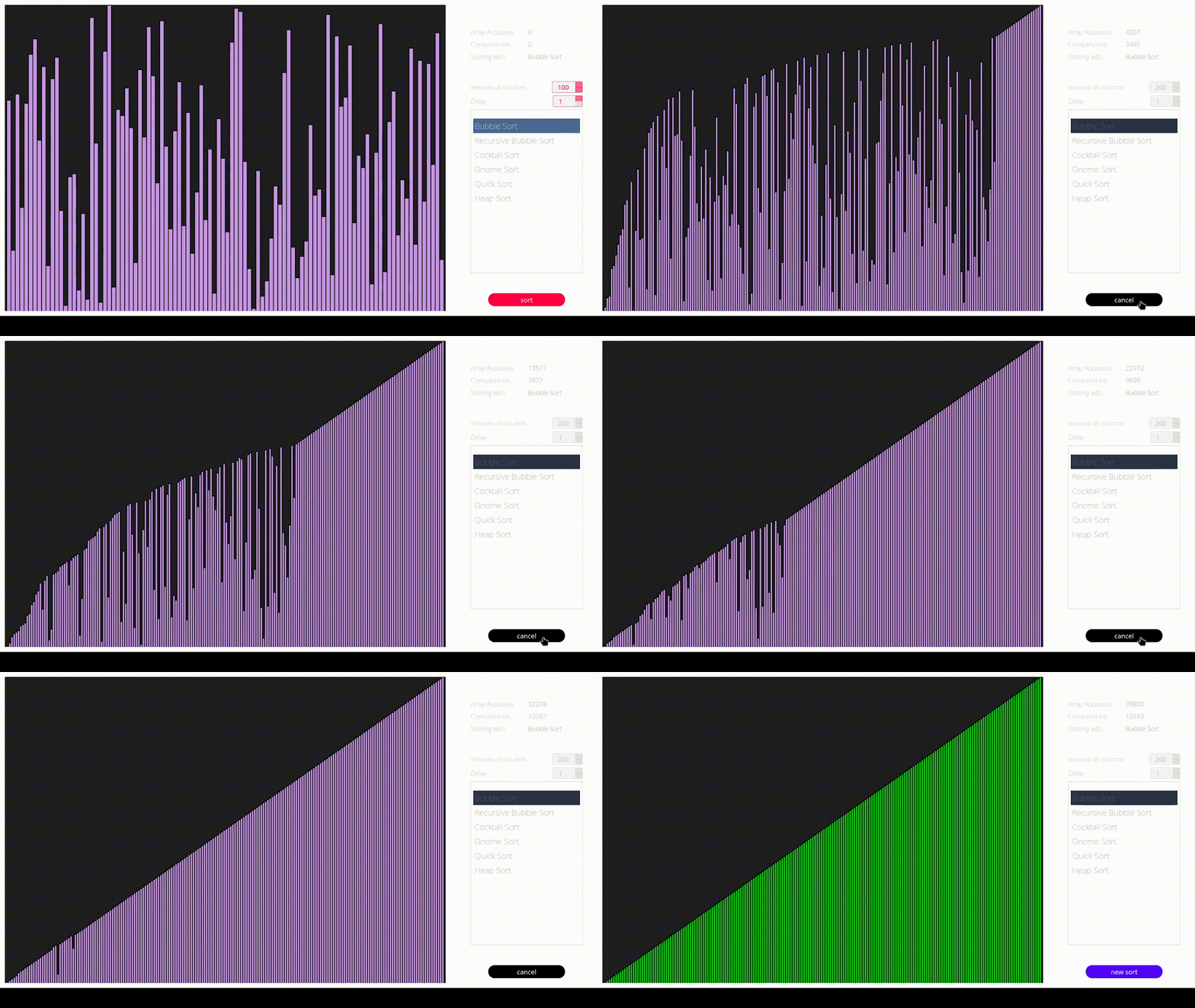
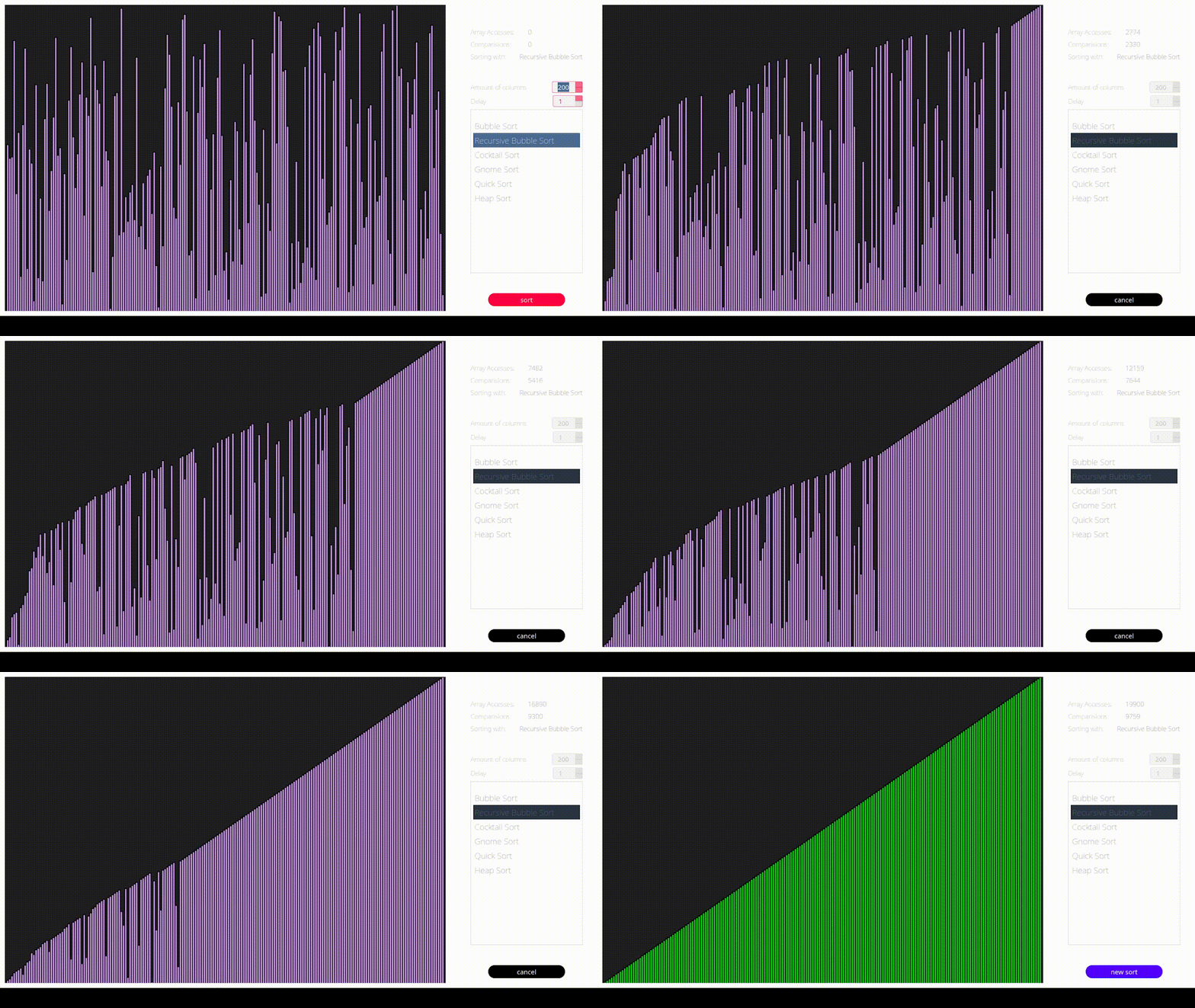
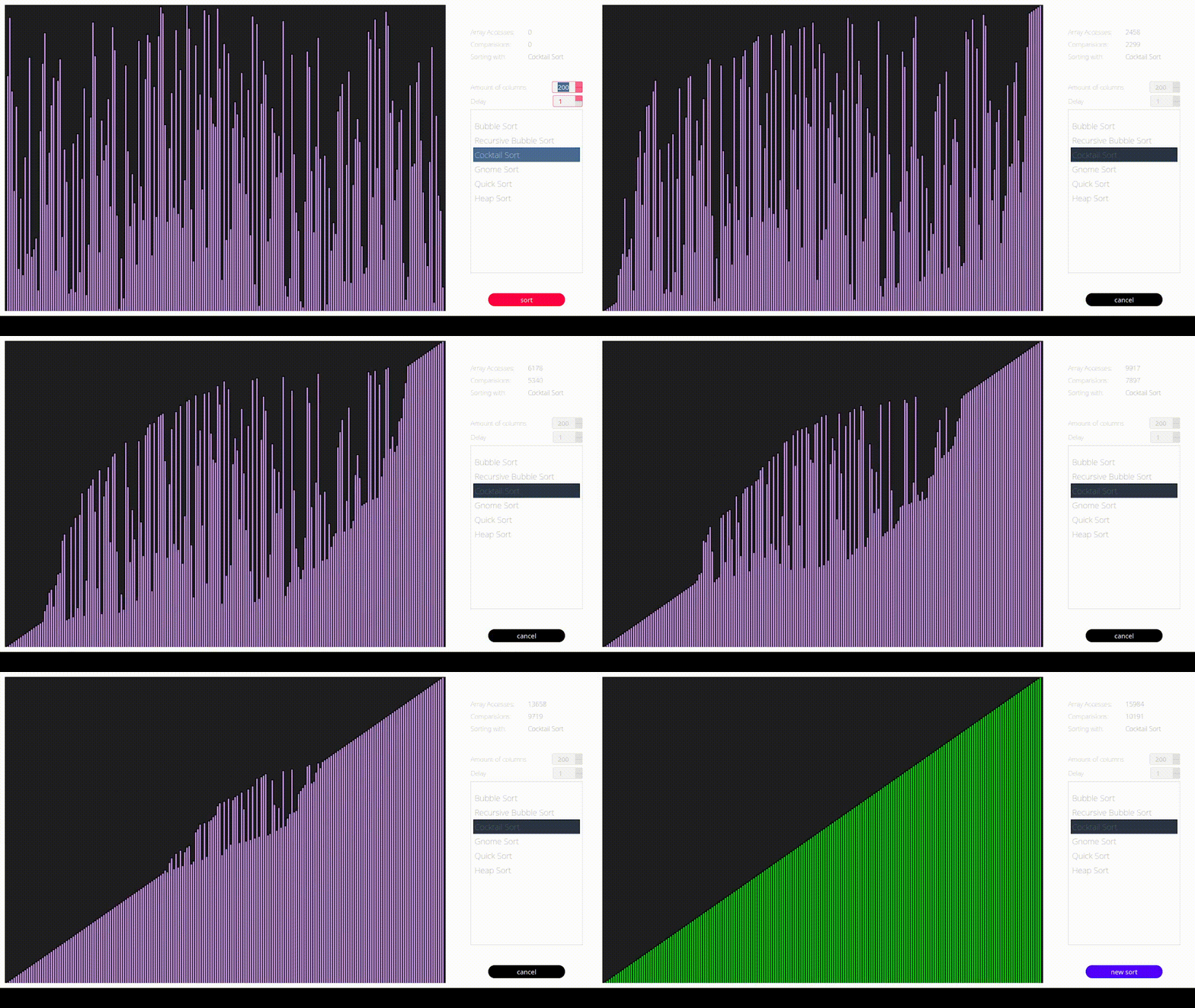
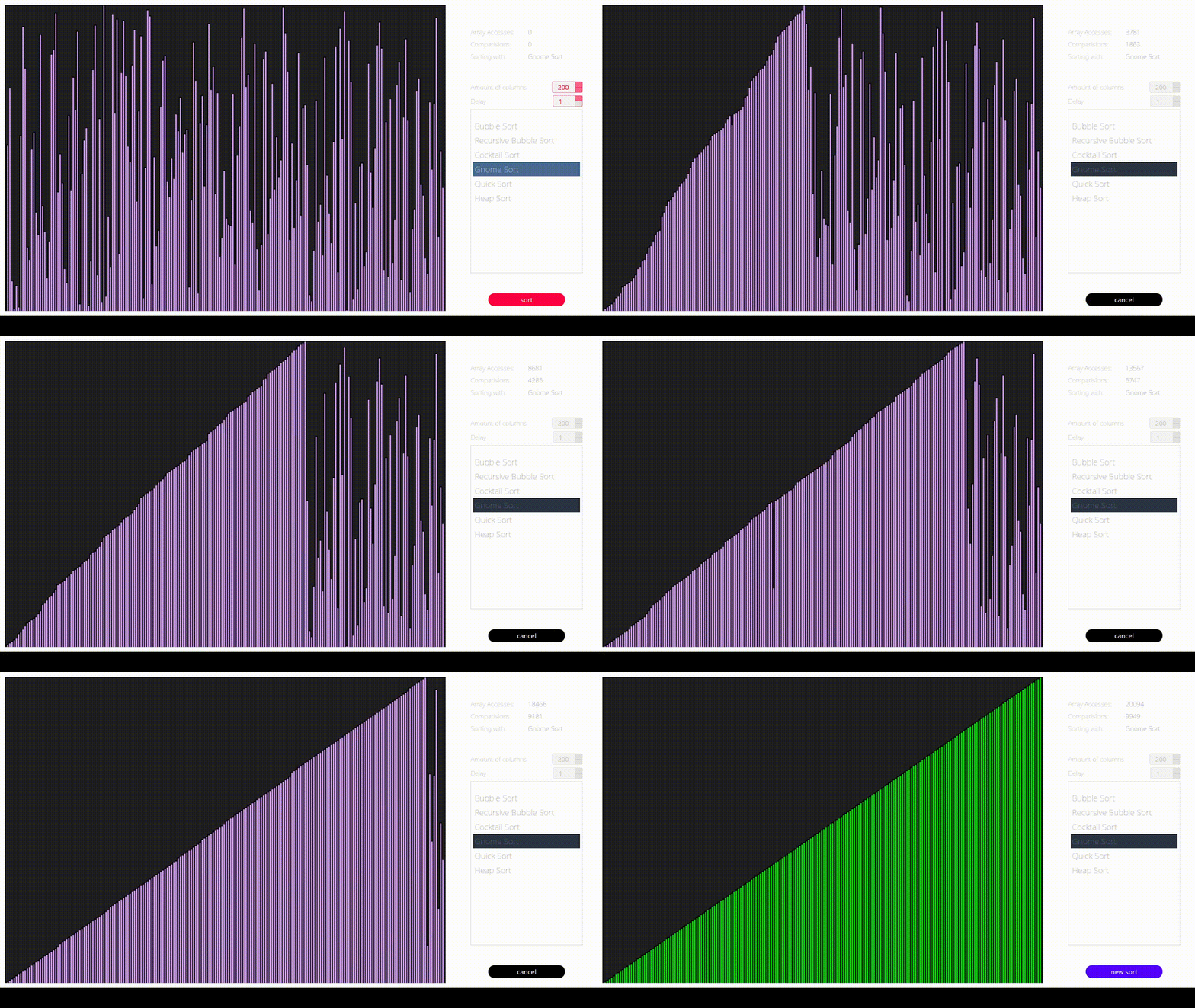
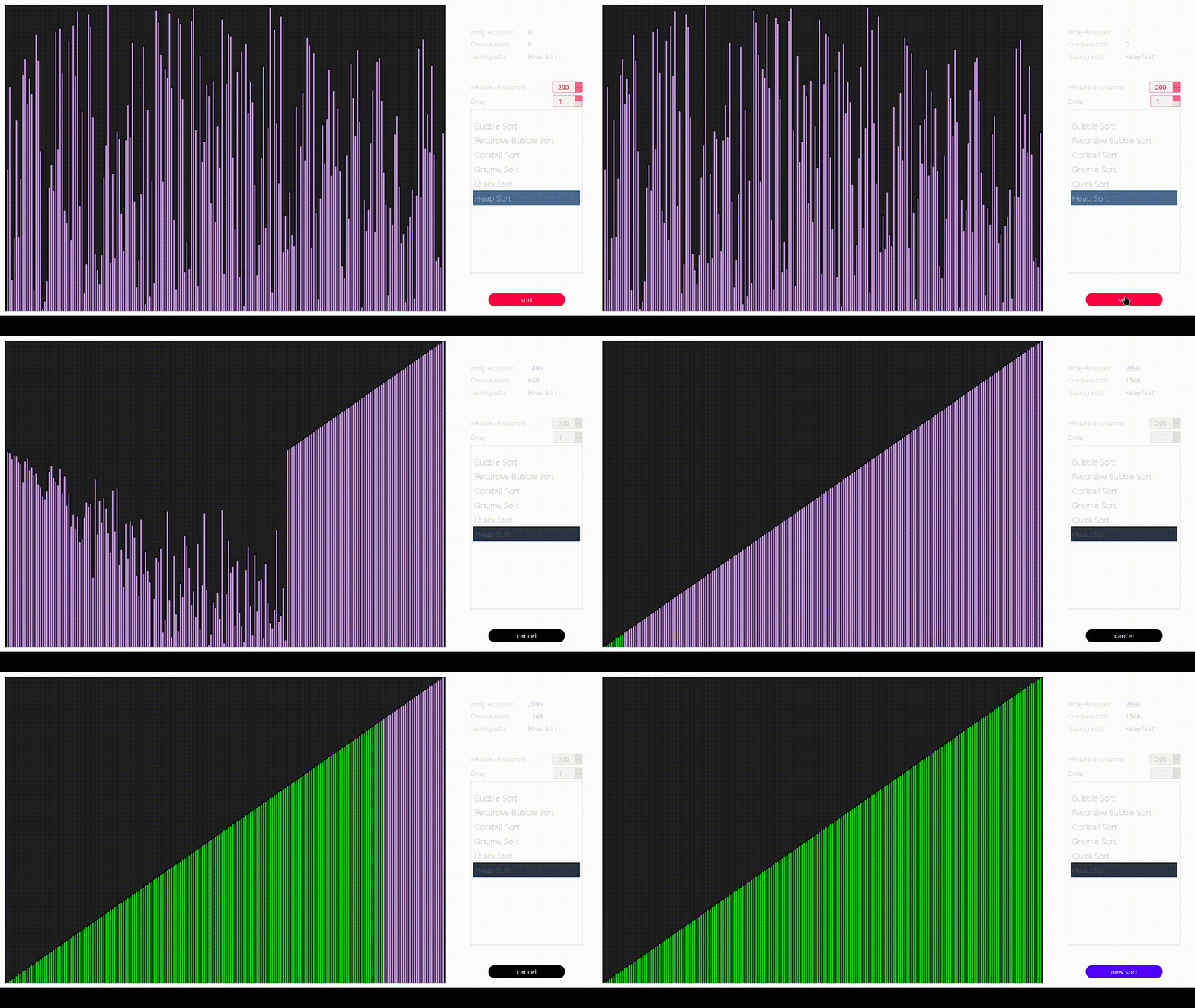
Section titled “Sorting Algorithms Visualization”Interactive desktop application that visualizes the sorting process of the most popular sorting algorithms. The application generates columns in a triangular arrangement and demonstrates how different algorithms organize data through animated visualizations.
Sorting Algorithm Visualizations

Algorithmic Foundations
Section titled “Algorithmic Foundations”Sorting algorithms are fundamental to computer science and demonstrate various approaches to data organization. Each algorithm represents different trade-offs between time complexity, space complexity, and stability.
Implemented Algorithms
Section titled “Implemented Algorithms”- Bubble Sort: Simple comparison-based algorithm with O(n²) time complexity
- Recursive Bubble Sort: Recursive implementation of the classic bubble sort
- Cocktail Sort: Bidirectional bubble sort variant that sorts in both directions
- Gnome Sort: Simple sorting algorithm similar to insertion sort
- Quick Sort: Efficient divide-and-conquer algorithm with O(n log n) average complexity
- Heap Sort: Comparison-based sorting using binary heap data structure
Technical Implementation
Section titled “Technical Implementation”The application is built using the Qt framework for cross-platform desktop development, providing smooth animations and responsive user interaction.
Architecture
Section titled “Architecture”- Frontend: Qt-based GUI with customizable visualization parameters
- Algorithm Engine: Modular design allowing easy addition of new sorting algorithms
- Animation System: Frame-based rendering with configurable timing
- Data Generation: Pseudo-random data generation with reproducible seeds
Usage Instructions
Section titled “Usage Instructions”Compilation
Section titled “Compilation”qmakemake./SortingVisualizationOperation
Section titled “Operation”- Algorithm Selection: Choose from the available sorting algorithms
- Parameter Configuration: Optionally specify the number of columns and animation delay
- Visualization: Click start to begin the animated sorting process
- Analysis: Observe the efficiency and pattern of each algorithm
Educational Value
Section titled “Educational Value”This visualization tool serves as an educational resource for understanding:
- Algorithm Efficiency: Visual comparison of time complexity
- Pattern Recognition: Understanding how different algorithms approach sorting
- Performance Analysis: Real-world performance characteristics
- Algorithm Design: Insights into algorithmic thinking and optimization
Computational Complexity Analysis
Section titled “Computational Complexity Analysis”The visualization clearly demonstrates the theoretical complexity differences:
- O(n²) Algorithms: Bubble, Cocktail, and Gnome sort show quadratic behavior
- O(n log n) Algorithms: Quick and Heap sort demonstrate logarithmic efficiency
- Best vs. Worst Case: Visual representation of algorithm performance under different conditions
Extensions and Modifications
Section titled “Extensions and Modifications”The modular architecture allows for easy addition of new algorithms, comparison modes, and statistical analysis features for advanced algorithmic study.